A Draft of some Start-up Ideas
In November, I posted a speculative application to Entrepreneur First [1] (EF) and got an offer for their 2023 programme. EF is Europe’s largest accelerator, and they pair prospective entrepreneurs with their cofounders. I did not pursue it for many reasons, one of which would be that I would have to be on a tourist visa in the UK for three months during the programme's start. I would only have been able to secure a Tier 1 [4] visa had I actually made it to the end of the programme, at which I assigned at most a 50% probability. Whilst EF’s website claims that EF is agnostic to the industry, it definitely feels that there was some emphasis on deep-tech from the interview programme.
This was not ideal, considering that I was already on a Tier 2 work visa, and owned a house, I generally liked living here. Maybe this was irrational risk aversion from losing a lot [5]. I digress.
A database of startup ideas
In preparation to I did build a database of some ideas I was working with, which I presented to the committee. In hindsight, I think one small reason I subsconciously decided not to pursue was that I thought most of these ideas were too obvious, and didn’t really make use of any edge [2] I had - I literally have nothing to contribute in the field of AI, and with GPT-X, not much edge in that field. I also question whether this point is true, though - I think I have at least an average understanding of how machine learning works, and I do think a lot of startups who now have funding have founders that started with less than average machine learning knowledge.
I had a few factors go into each category of item in this table. Some of the factors were obvious ones, like expected value at buy-out, which includes the probability of success. There is also a column for specificity and interest. The main idea was comparing the expected value of doing a start-up versus the counter-factual of continuing my career in finance. The estimates are pretty up in the air, but it’s just a guess.
The database is here.
An aside: The Value of Technical Guidance
Expertise in an area is difficult to achieve. For this reason, my initial thoughts are that a star hire or expert on the founding team for a deep-tech startup feels almost necessary. Note that this is just a feeling, and I would like to see more numbers on how whether the presence of an ‘expert’ statistically helps with the chances of a startup succeeding or not.
An implementation of a novel colour-mixing app
You can try the prototype here!
I did actually implement one of the ideas in this list for the benefit of some artists in the London art scene. The app is simple - the user can choose a target colour from an image or a colour wheel, and then the app optimises for the weighted sum to find the best mix of colours based on common oil paints and pigments. [6] The list of paints an pigments is scraped from oil paint websites, and the colour hexcodes are converted into RGB vectors.
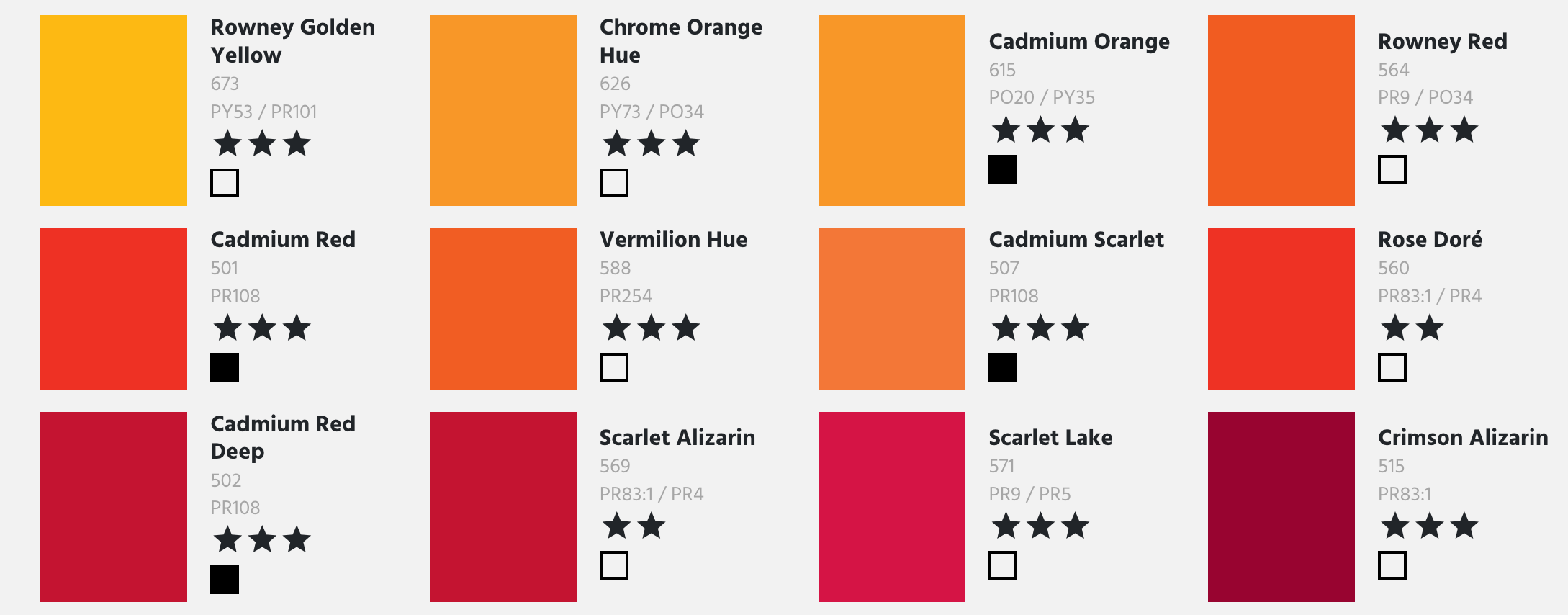
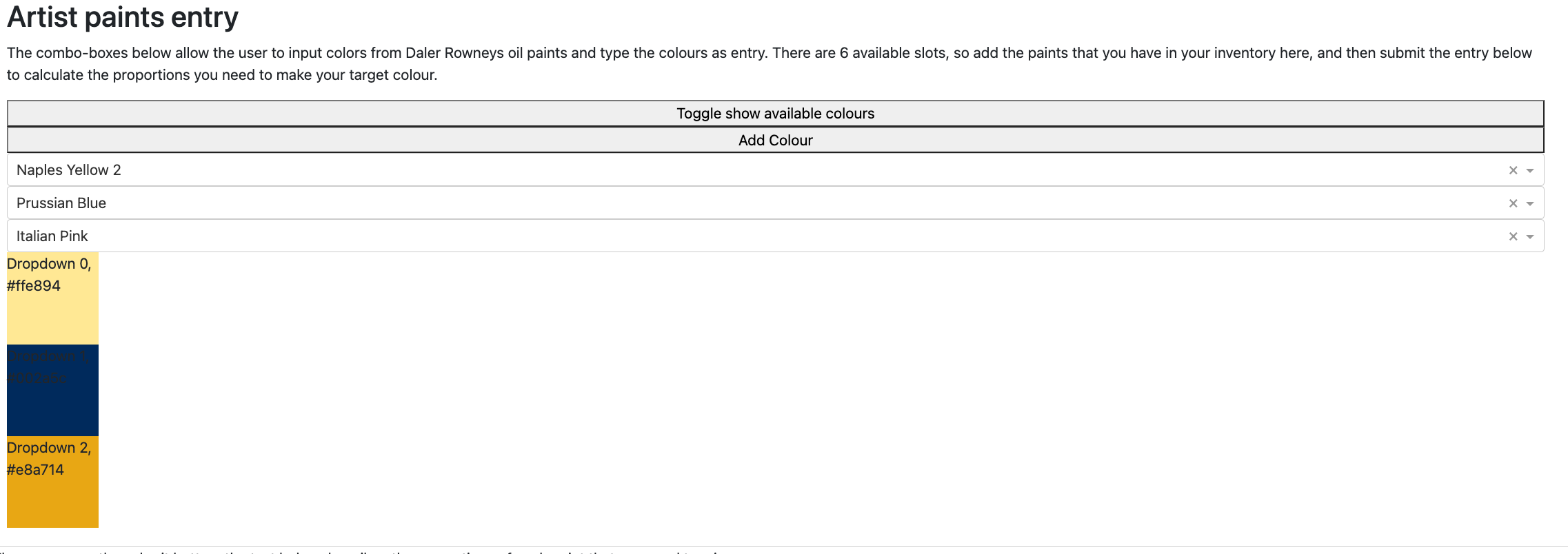
In the initial prototype, the artist selects some paints from a palette.
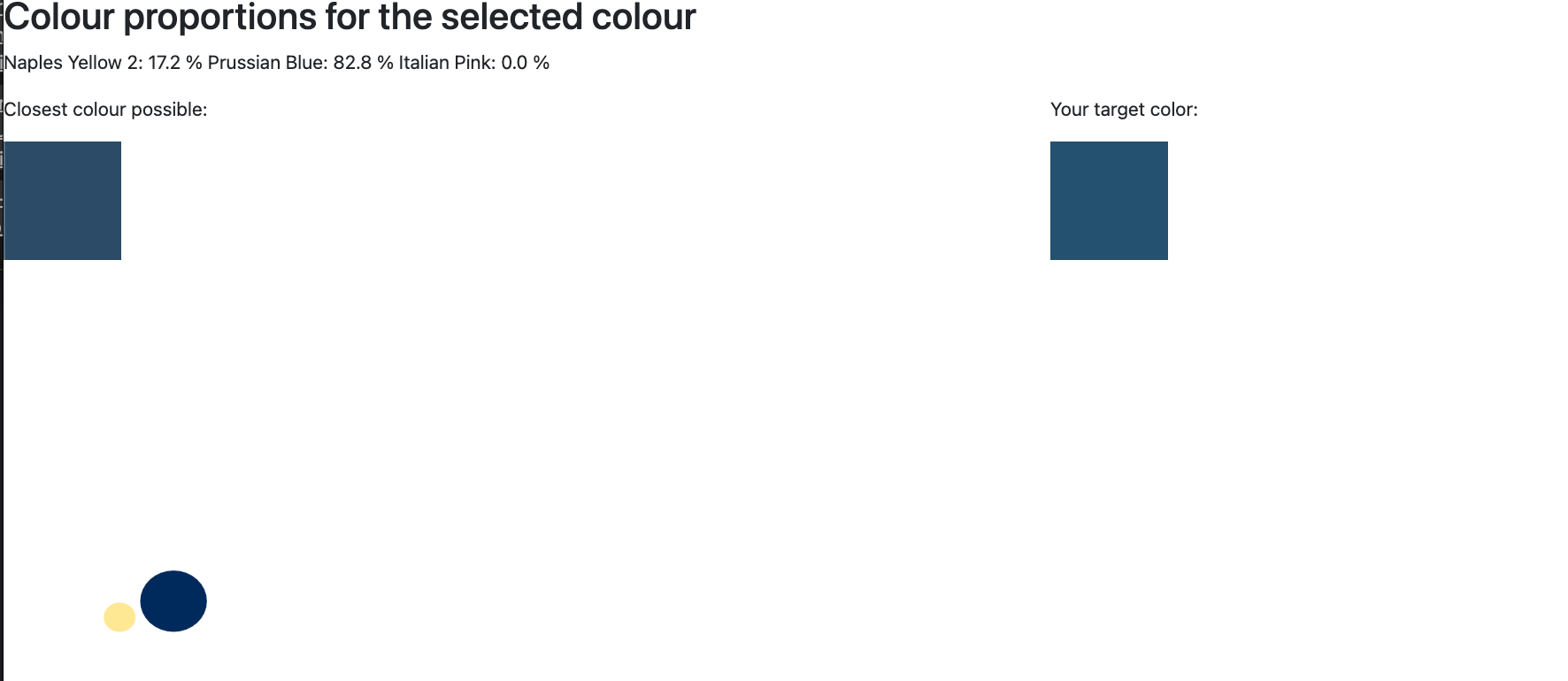
It then outputs positive weights from that sum to the minimum least squares to match the RGB vector of the target colour.
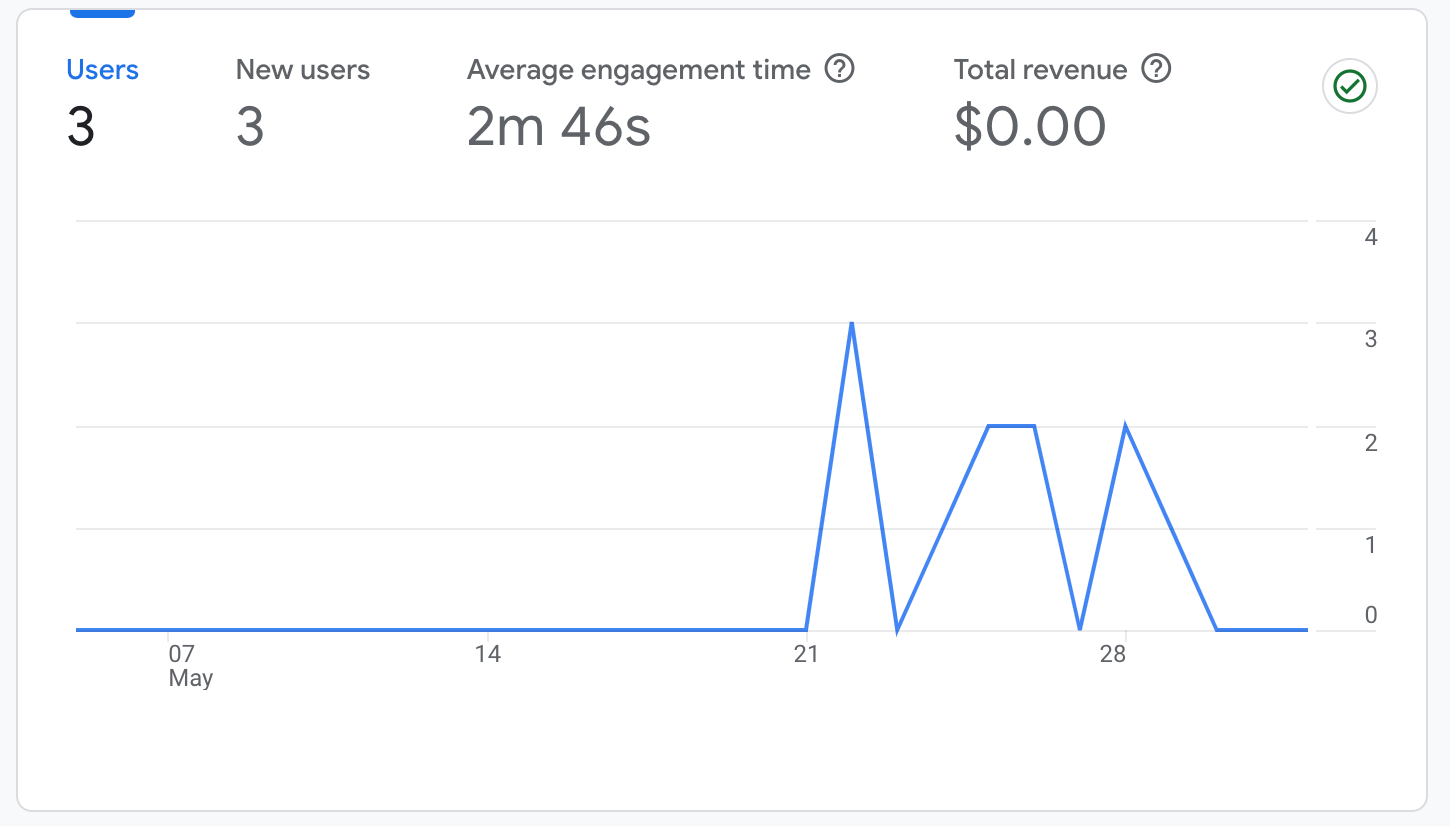
This product was featured on the Royal College of Art’s blog page, with an explanation of its features. It was also mentioned in a PGCE Art Teacher’s group. In terms of usage, I had around 10 clients that trialled this technology, including two artists in London. I had one piece of feedback regarding the accessibility of the app. Currently, it looks like there aren’t that many users on the app.
References
[1] https://www.joinef.com/
[2] https://www.joinef.com/stories/ideas-pt-ii-finding-your-edge/
[4] https://www.gov.uk/tier-1-entrepreneur
[5] https://en.wikipedia.org/wiki/Loss_aversion
[6] https://www.daler-rowney.com/artists-oil-paint/